
Part 2 of 3: The Quiet Virtues
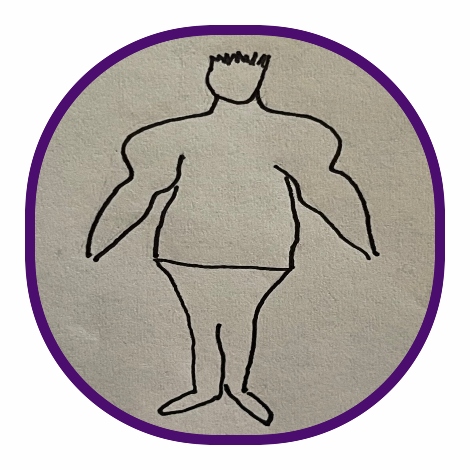
Not long after watching the rise of our neighborhood Adonis — the sweat, the swagger, the ever‑expanding circumference of his upper body — I began noticing something else in the building. Something smaller, quieter, and far easier to overlook.
It started with the older gentleman on the fifth floor, the one who always carries a canvas tote bag and walks with a slight shuffle. I once saw him pause in the lobby to hold the door for a mother wrangling a stroller and two grocery bags. He didn’t say much. He just nodded, smiled, and waited until she was safely inside. No flexing. No performance. Just a simple act of courtesy that didn’t require an audience.
Then there’s the woman down the hall who leaves small seasonal decorations on her door. They aren’t elaborate, just a tiny flowery wreath or a quilted, hanging pumpkin door decoration. She never announces them, never tries to impress anyone. But somehow those little touches soften the whole hallway, as if she’s quietly reminding the rest of us that beauty doesn’t have to shout.
And of course, there’s the retired engineer who waters the courtyard plants when no one else remembers. He doesn’t make speeches about community or stewardship. He simply notices what needs doing and does it, his hands moving with the calm competence of someone who has spent a lifetime tending to things that grow slowly.
None of these people would ever call themselves virtuous. They would laugh at the idea. They are simply living their lives with a kind of unselfconscious decency that doesn’t demand or look for applause.
It struck me one afternoon, watching the engineer mist the begonias while Adonis strutted past, that quiet virtues are the ones that actually hold a place together. Not the loud displays of strength or the curated personas, but the small, steady acts that ask for nothing in return.
The world has always had its Adonises; men who sculpt themselves into monuments and then wonder why no one bows. But the world has also always had its quiet souls, the ones who keep the doors open, the plants alive, the hallways gentle.
And if I’m honest, it’s the quiet ones who make a neighborhood livable. They are the ballast, the steadying weight, the reminder that goodness doesn’t need to be dramatic nor a showboat to be real.
In a culture obsessed with spectacle, the quiet virtues are almost radical these days. They whisper instead of shout. They build instead of pose. They endure long after the muscles deflate and the spotlight moves on.
And perhaps that is the real miracle: that in a world full of noise, the softest lives are often the ones that speak the truth most clearly.
Part 3 will be published on April 18, 2026.

 Susan Marie Molloy